
© IMAGO / F. Anthea Schaap
Hell wach | 19. Mai 2026

Stört Lichtverschmutzung den Schlaf von Mensch und Tier?

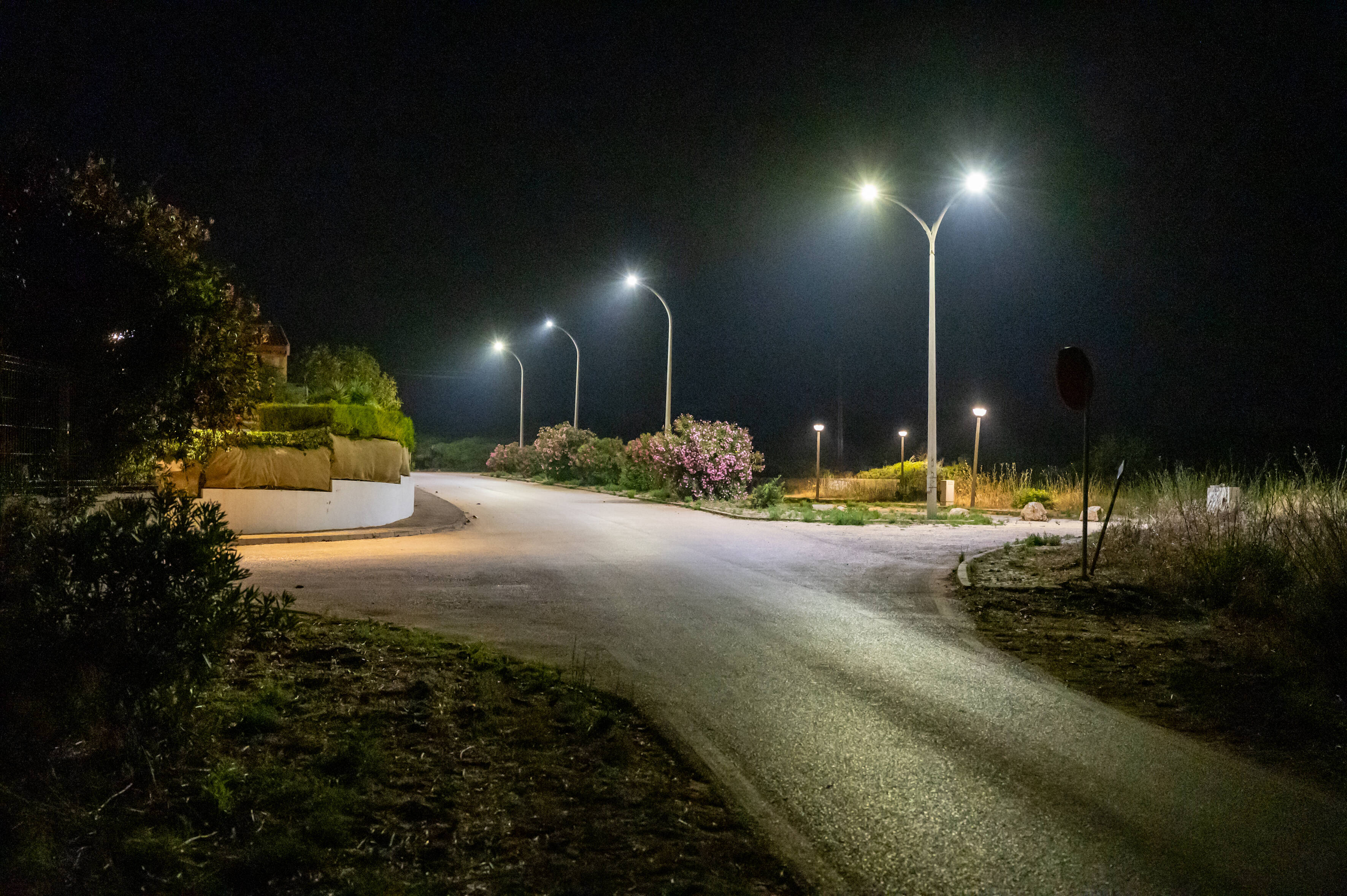
Beleuchtete Straßen und Wege, Leuchtreklame oder bunte Lichterketten auf Balkons: Nächte sind längst nicht mehr so dunkel wie sie früher einmal waren. Das ist ein Problem für viele Tiere, aber könnte auch uns Menschen Schlaf kosten. (Wiederholung vom 13.08.2024)

Shownotes
Hell wach
Stört Lichtverschmutzung den Schlaf von Mensch und Tier?
vom 19. Mai 2026
Moderatorin: 
Ilka Knigge
Gesprächspartnerin: 
Dr. Christine Blume, Dr. Christine Blume, Schlafforscherin an der Uni Basel
Unsere Quellen:
  • Aulsebrook, A. E., et al. (2020). Streetlights Disrupt Night-Time Sleep in Urban Black Swans. Frontiers in Ecology and Evolution, 8.
  • Linares Arroyo, H., et al. (2024). Monitoring, trends and impacts of light pollution. Nature Reviews Earth & Environment, 5(6).
  • Ohayon, M. M., et al. (2016). Artificial Outdoor Nighttime Lights Associate with Altered Sleep Behavior in the American General Population. Sleep, 39(6).
  • Ouyang, J. Q., et al. (2017). Restless roosts: Light pollution affects behavior, sleep, and physiology in a free-living songbird. Global Change Biology, 23(11).
  • Patel, P. C. (2019). Light pollution and insufficient sleep: Evidence from the United States. American Journal of Human Biology, 31(6).
  • de Jong, M., et al. (2018). Effects of experimental light at night on extra-pair paternity in a songbird. Journal of Experimental Zoology Part A: Ecological and Integrative Physiology, 329(8-9).
  • Foerster, K., et al. (2003). Females increase offspring heterozygosity and fitness through extra-pair matings. Nature, 425(6959).
  • Foster, J. J., et al. (2021). Light pollution forces a change in dung beetle orientation behavior. Current Biology, 31(17).
  • Mason, I. C., et al. (2022). Light exposure during sleep impairs cardiometabolic function. Proceedings of the National Academy of Sciences, 119(12).
  • Owens, A. C. S., et al. (2020). Light pollution is a driver of insect declines. Biological Conservation, 241.
  • Pun, C. S. J., et al. (2014). Contributions of artificial lighting sources on light pollution in Hong Kong measured through a night sky brightness monitoring network. Journal of Quantitative Spectroscopy and Radiative Transfer, 139.
  • Weltatlas der Lichtverschmutzung